Blog

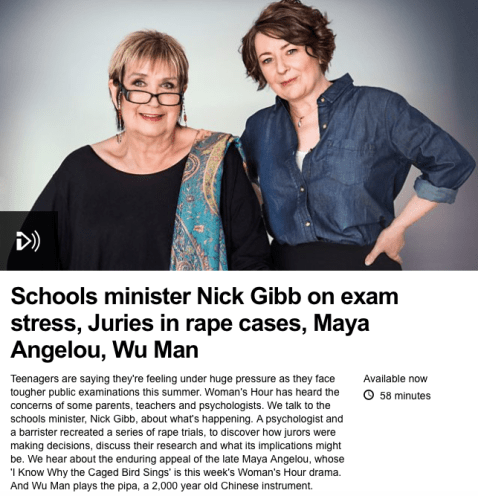
Very much enjoyed speaking this morning with @BBCWomansHour about rape juries

Listen to the programme here.

So much to say on this. The project was three years in the development and was the closest that any research has ever got to recreating an exact rape trial: real lawyers, real law and the real summonsing of ‘mock jurors’. The findings were as clear as they were concerning. This research now constitutes an evidence base, arrived at scientifically,  that those jurors who are affected (even unconsciously) by prejudices and myths on the issue of rape cannot shake those prejudices when assessing the evidence in a case where the complainant and the accused knew each other already.

Those myths surrounding the crime of rape, and who may be an offender and who may be a victim, are prevalent, but wrong. Examples include:

  • An offence is only rape if it occurs between strangers in alleyways;
  • Rape is a crime of passion based on uncontrollable sexual urges;
  • If the complainant does not scream, fight or is not injured, it can’t be rape;
  • You can tell if a complainant has really been raped by how she acts afterwards;
  • Women cry rape when regret having sex or want to seek revenge.
 

Screenshot 2018-06-19 11.48.36

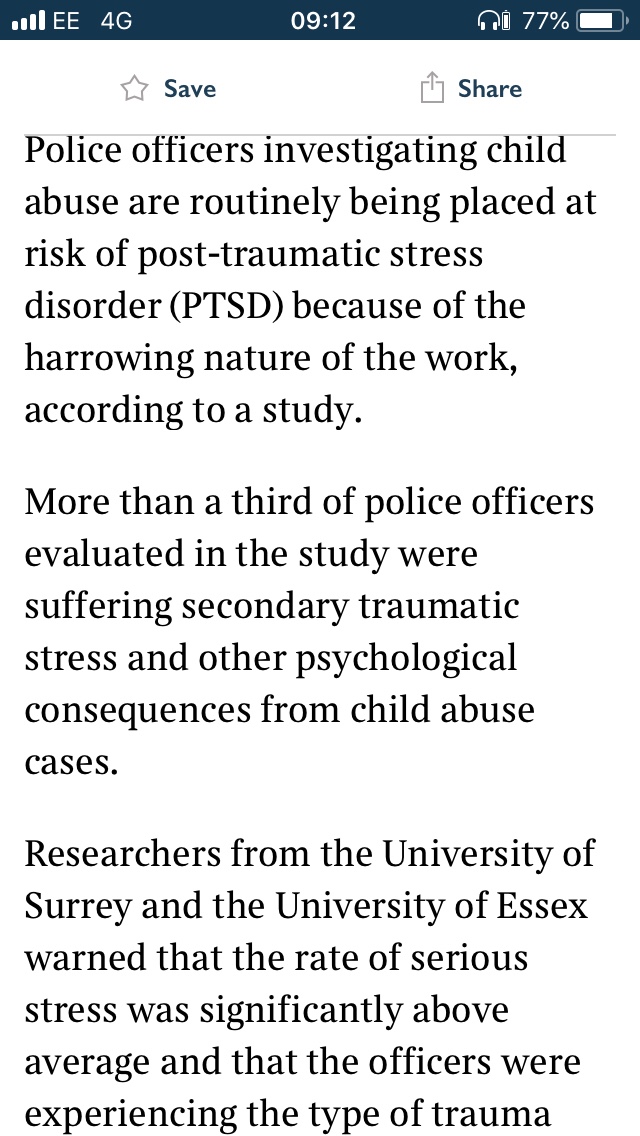
Secondary traumatic stress: the risks to investigators and lawyers

Here is a snapshot from today’s very important story in the Times. Read the whole story here.

The Bar is well underway with its Wellbeing initiative, Judges are offered counselling. It stands to reason that police officers will also be affected. Two thirds of all trials at the Crown Court involve sex allegations. There is a human cost to bringing these cases that cannot be ignored.

Upskirting to be made a specific criminal offence

The Government today announced plans to make upskirting a criminal offence with provision for some offenders to go in the sex offenders’ register. Read what the Guardian said about the Government plans here. And today’s Times here.

This is welcome news. Whilst law enforcement agencies have been slow to use existing laws effectively in order to combat this insidious behaviour (see my blogpost from February here), anything that makes it easier to prosecute is welcome.

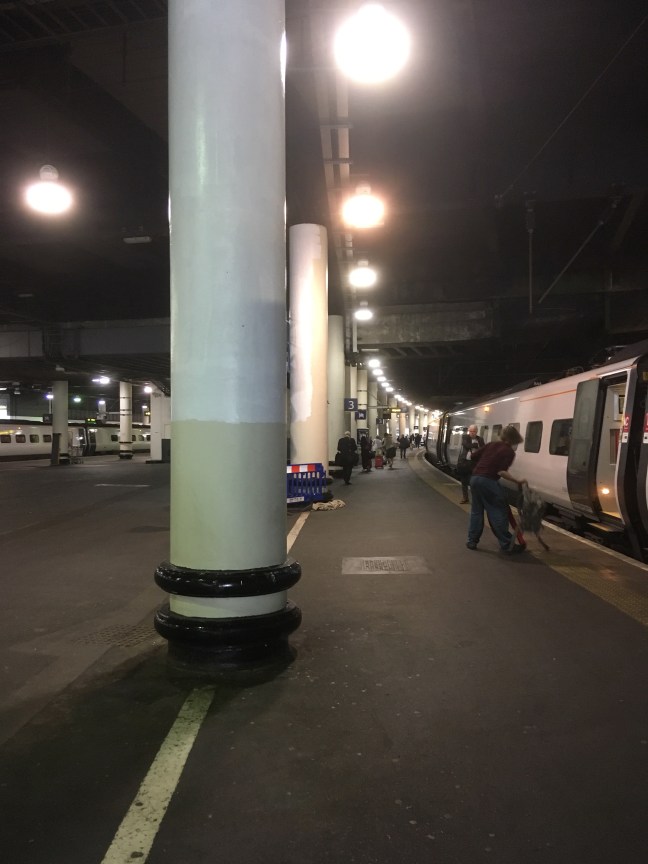
I love this view.

Ok it might not look like much. It’s the view in Euston Station when I’m getting off the train. I did this walk countless times in the early 90s when I was studying at University and then at Bar School and then during my first six. They were great times.

I love London. I love coming to London. I love this view.

Fewer barristers, fewer solicitors, fewer judges. The future is bleak ..

.. and that’s not the worst of it by far.

Opening paragraphs from an article in yesterday’s Financial Times, that you can read in full here.

“The criminal justice system in England and Wales is badly beleaguered. More crimes are being committed, more people are in prison, there are more violent incidents in jails and more repeat offenders cycle through the system. Legal aid, critical to equality before the law, is increasingly hard to access (harming both defendants and the legal profession) and even after acquittal, legal costs are harder to recover.

To prevent further damage being done, the government needs to increase spending on the court system and on prisons. It must also garner public support for bold policy changes — focused on bringing down prison populations and reoffending rates.

If the situation today is parlous, the future looks even worse.”